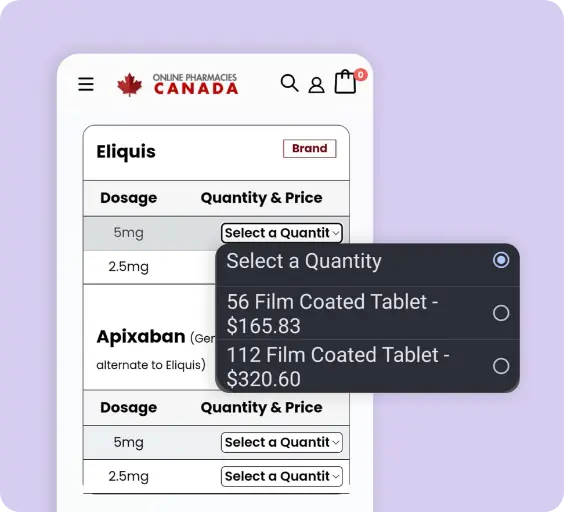
* This price includes a dispensing fee, medical review fee, and packing fee.
Shipped and delivered directly to your doorstep
Axid contains the active ingredient nizatidine. It is a prescription medication that lowers the amount of acid produced by the stomach. It is used to treat several conditions caused or worsened by excess stomach acid.
Axid may be used for the short-term treatment of gastroesophageal reflux disease, commonly called GERD.
GERD occurs when stomach acid repeatedly flows backward into the esophagus. The esophagus is the tube that carries food from the mouth to the stomach. Unlike the stomach, it does not have a strong protective lining against acid.
Common symptoms of GERD may include:
By reducing stomach acid, Axid may help relieve heartburn and other reflux symptoms. It also reduces the amount of acid that can irritate the esophagus.
Repeated exposure to stomach acid may cause inflammation, irritation, or open sores in the esophagus. This condition is called erosive esophagitis.
Symptoms may include painful swallowing, persistent heartburn, chest discomfort, or difficulty swallowing.
Axid may be used to help heal the damaged lining of the esophagus. In some patients, it may also be continued as maintenance treatment to reduce the risk of symptoms or tissue damage returning.
Axid lowers acid but does not correct the physical cause of reflux. Lifestyle changes or additional treatment may also be needed.
Axid is used for the short-term treatment of active duodenal ulcers.
A duodenal ulcer is an open sore that forms in the first part of the small intestine, called the duodenum. These ulcers may be caused by infection with Helicobacter pylori, regular use of certain pain relievers, or other factors.
Possible symptoms include:
Lowering stomach acid reduces irritation and gives the ulcer time to heal. However, Axid does not treat an H. pylori infection. If this bacterium is present, antibiotics and other medicines may also be needed.
After an active duodenal ulcer has healed, Axid may be prescribed as maintenance therapy.
Maintenance treatment uses a lower or ongoing dose to reduce stomach acid and lower the chance that the ulcer will return. The healthcare provider will determine how long this treatment is needed.
Axid may also be used for the short-term treatment of benign gastric ulcers. These are noncancerous sores that form in the lining of the stomach.
Symptoms may include upper abdominal pain, nausea, reduced appetite, bloating, or discomfort after eating.
Reducing stomach acid helps protect the ulcer from further irritation and supports healing. A healthcare provider may perform tests to confirm that the ulcer is not cancerous and to identify its underlying cause.
Axid belongs to a group of medications called histamine-2 receptor antagonists, also known as H2 blockers.
Histamine is a natural chemical in the body. In the stomach, it attaches to H2 receptors on acid-producing cells and signals them to release stomach acid.
Nizatidine blocks these receptors. This lowers both the amount and strength of the acid produced by the stomach.
By reducing stomach acid, Axid may:
Axid may begin reducing stomach acid soon after a dose, but symptom relief and tissue healing may take longer.
Heartburn may improve within a few days. Ulcers and erosive esophagitis may require several weeks of regular treatment to heal.
Continue taking Axid for the full treatment period prescribed, even if your symptoms improve sooner. Contact your healthcare provider if symptoms become worse, do not improve, or return after treatment.
Axid contains nizatidine and is usually available as a 150 mg or 300 mg oral capsule. Take it exactly as prescribed by your healthcare provider.
The medication may be taken once or twice daily, depending on the condition being treated. You may take Axid with or without food.
When prescribed once daily, Axid is usually taken at bedtime because stomach acid production often increases during the night. When prescribed twice daily, the doses are generally taken in the morning and evening.
Swallow the capsule with water. Try to take each dose at approximately the same time every day. This helps maintain consistent acid control and makes missed doses less likely.
Do not take a larger dose, take it more often, or continue treatment longer than prescribed. Taking extra medication will not make the condition heal faster and may increase the risk of side effects.
For an active duodenal ulcer, the usual adult dose is:
Treatment may continue for up to eight weeks. Many duodenal ulcers heal within approximately four weeks, but some patients may require a longer treatment period.
Continue taking Axid for the full prescribed period, even if stomach pain or other symptoms improve sooner. Stopping treatment early may prevent the ulcer from healing completely.
After a duodenal ulcer has healed, a healthcare provider may prescribe maintenance treatment to reduce the risk of another ulcer developing.
The usual adult maintenance dose is 150 mg taken once daily at bedtime.
Your healthcare provider will determine how long maintenance treatment should continue. The effects of continuous maintenance therapy for longer than one year have not been fully established.
For an active benign gastric ulcer, the usual adult dose is:
Treatment may continue for up to eight weeks.
Before treatment begins, the healthcare provider may perform tests to confirm that the stomach ulcer is not cancerous. Reducing stomach acid may improve symptoms even when a more serious condition is present, so proper evaluation is important.
For gastroesophageal reflux disease, including heartburn and erosive esophagitis, the usual adult dose is 150 mg taken twice daily.
The medication may need to be taken for several weeks to allow inflammation or damage in the esophagus to heal. Heartburn may improve before healing is complete, so continue treatment as prescribed.
Axid reduces stomach acid but does not correct the physical cause of reflux. Your healthcare provider may also recommend changes such as avoiding late meals, raising the head of the bed, or limiting foods that worsen your symptoms.
Nizatidine is mainly removed from the body through the kidneys. More than 90% of an oral dose is passed in the urine within approximately 12 hours.
People with reduced kidney function may not remove the medication as quickly. This can cause nizatidine to build up in the body and increase the risk of side effects.
Your healthcare provider may prescribe:
The adjustment will depend on the severity of the kidney problem and the condition being treated. Do not change the dose yourself.
Older adults do not automatically need a lower dose based on age alone. However, kidney function often decreases with age, so a healthcare provider may check kidney function before selecting the dose.
Older adults may also be more sensitive to side effects such as confusion, dizziness, or unusual drowsiness.
Axid begins reducing stomach acid after a dose. Heartburn and stomach discomfort may start to improve within the first few days.
However, healing of an ulcer or erosive esophagitis may take several weeks. Continue taking the medication even when symptoms begin to improve.
Contact your healthcare provider if your symptoms do not improve, become worse, or return after treatment.
Take the missed dose as soon as you remember.
However, if it is almost time for your next scheduled dose, skip the missed dose and continue with your regular schedule.
Do not take two doses at the same time to make up for a missed dose.
Taking more Axid than prescribed may increase the risk of dizziness, confusion, nausea, vomiting, or other serious effects.
Contact a poison control center or seek urgent medical care if you or someone else takes more than the prescribed amount.
Continue taking Axid for the entire period prescribed, even if you feel better. Do not stop early or use leftover medication for a new episode of heartburn or stomach pain without medical advice.
Seek prompt medical attention if you develop vomiting of blood, vomit that looks like coffee grounds, black or bloody stools, severe abdominal pain, difficulty swallowing, unexplained weight loss, or ongoing vomiting.
Axid (Nizatidine) is available in the following forms and strength:
Do not take Axid if you are allergic to nizatidine or any ingredient in the medication.
Stop taking Axid and seek emergency medical care if you develop:
Tell your healthcare provider if you have kidney disease or reduced kidney function.
The kidneys remove most of the medication from the body. If your kidneys are not working properly, nizatidine may build up and increase the risk of side effects.
Your healthcare provider may prescribe a lower dose or recommend taking the medication less often.
Tell your healthcare provider if you have liver disease or a history of abnormal liver test results.
Axid may rarely affect liver function. Your healthcare provider may recommend blood tests or closer monitoring during treatment.
Contact your healthcare provider if you develop yellowing of the skin or eyes, dark urine, unusual tiredness, persistent nausea, or pain in the upper-right abdomen.
Tell your healthcare provider if you have a history of thrombocytopenia, also called a low platelet count.
Platelets help the blood clot. A very low platelet count may increase the risk of bruising or bleeding.
Contact your healthcare provider if you notice unusual bruising, frequent nosebleeds, bleeding gums, small red or purple spots on the skin, or bleeding that is difficult to stop.
Older adults may be more sensitive to side effects such as dizziness, confusion, or unusual drowsiness.
Kidney function may also decrease with age. A healthcare provider may check kidney function and adjust the dose when necessary.
Tell your healthcare provider if you are pregnant, planning to become pregnant, or breastfeeding.
Your healthcare provider will consider your treatment needs and any possible risks before recommending Axid during pregnancy or breastfeeding.
Before taking Axid, tell your healthcare provider about all your medical conditions, especially kidney disease, liver disease, or a history of blood disorders.
This information will help your healthcare provider choose a safe dose and determine whether additional monitoring is needed.
Alcohol may irritate the stomach and make symptoms of heartburn, reflux, or ulcers worse.
It may also increase dizziness or drowsiness in some people. Ask your healthcare provider whether you should avoid or limit alcohol during treatment.
Nizatidine usually begins reducing stomach acid within 30 minutes to one hour after a dose. Heartburn or stomach discomfort may improve soon after treatment begins. However, healing an ulcer or damaged esophagus may take several weeks.
Many duodenal ulcers heal within about four weeks of regular treatment. Some ulcers may require up to eight weeks to heal completely. Continue taking Axid for the full period prescribed, even if your symptoms improve sooner.
Talk to your healthcare provider before taking Axid if you are pregnant, planning to become pregnant, or breastfeeding. Your healthcare provider will consider your treatment needs and any possible risks before recommending the medication.
Tell your healthcare provider or pharmacist about all prescription medicines, over-the-counter products, vitamins, and supplements you take. Axid may interact with certain medications or affect how they are absorbed. Your healthcare provider can tell you whether your medicines need to be taken at different times. Do not start, stop, or change another medication without medical advice.
The response to Axid depends on the condition being treated and may vary from person to person. Contact your healthcare provider if your symptoms do not improve, become worse, or return after treatment. Seek prompt medical care for difficulty swallowing, unexplained weight loss, persistent vomiting, bloody vomit, or black stools.
| Generic name: | Nizatidine |
|---|---|
| Formulation: | Capsule, Tablet |
| Strength(s): | 150mg |
| Quantities Available: | 60, 100, 180 |
Our online Canadian Pharmacy is known for high standards of quality, safety, and efficiency when it comes to medications.
Our pharmacy offers lower prices on prescription drugs compared to traditional pharmacies.
When ordering Axid (nizatidine) from a Canadian pharmacy, you can typically purchase up to a 90-day supply at one time, which is common for prescription medications to ensure effective management of conditions like GERD and ulcers without frequent refills.
Here’s what you need to know:
Dosage and Quantity: Axid is commonly prescribed in dosages of 150 mg to 300 mg daily, depending on the condition being treated. For example, if you are prescribed Axid 150 mg twice daily for GERD, you would order 180 tablets for a 90-day supply (90 days x 2 tablets per day).
Yes, we sell nizatidine at our pharmacy, and you can enjoy low prices. However, to purchase nizatidine, you will need a valid prescription from your healthcare provider. We require this to dispense the medication safely and appropriately. You can provide your prescription by mailing, faxing, or uploading it through your online account.
Yes, we ship Axid (nizatidine) to both the United States and Puerto Rico.
Online Pharmacies Canada has provided information from third parties intended to increase awareness and does not contain all the information about Axid (Nizatidine). Talk to your doctor or other qualified medical practitioners for medical attention or advice, or if you have any concerns about Axid (Nizatidine).
REVIEWS